
Ghana Naming Ceremony for Travelers: A Comprehensive Guide
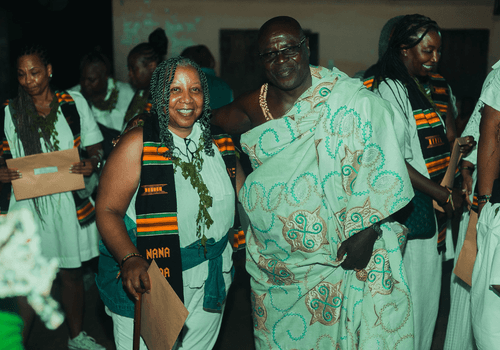
Welcome back to the tribe, culture-seekers! If you are planning a journey to the "Gateway to Africa," you are likely anticipating the warmth of the sun and the incredible hospitality that makes this country unforgettable. But beyond the historical slave castles and bustling markets, lies something deeply profound: a living heritage that invites you not just to look, but to belong truly.
If you have ever heard about the iconic Ghana naming ceremony, you might associate it with newborns. However, an extraordinary movement is taking place. Travelers, cultural explorers, and members of the global African diaspora returning home are increasingly embracing this sacred rite of passage as a way to anchor their identity and receive a traditional African name.
This comprehensive guide will walk you through everything you need to know if you’re hoping to participate in a Ghanaian naming ceremony.
Let’s dive into the heart of Ghanaian tradition!


What is a Ghanaian Naming Ceremony?
In traditional Ghanaian societies, a name is never just a collection of pleasant-sounding syllables. A name is a statement of identity. It tells the world who you are, what day you arrived, what circumstances surrounded your birth, and which ancestral lineage you carry.
Across different ethnic groups in Ghana, this naming ceremony goes by various traditional names and involves slightly different processes.
Among the Akan, the naming ceremony is called abadinto (throwing of the name), held on the eighth day after birth. Among the Ga people of the Greater Accra region, it's kpodziemo, held at dawn on the seventh day, when the child is carried outside and shown to the community for the first time.
Ewe communities in the Volta Region follow their own naming customs and timing, often weaving in clan names alongside a personal one, which they call Vihehedego.
The ceremony you take part in as a traveler is adapted from this same foundation. It is a deliberate and honestly built experience designed to welcome guests into a version of this Ghanaian tradition. It is led by real community elders using the same core elements: libation, blessing, and the formal act of naming.
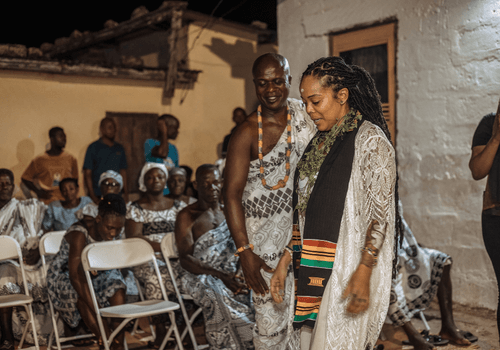
What Happens at a Ghanaian Naming Ceremony for Travelers?
The Gathering with the Elders
True to tradition, the ceremony often begins with a gathering of elders, some community members, and guests. An authentic naming ceremony is never self-administered or improvised. It is led by respected family elders or traditional authorities who hold the cultural memory of the lineage.
The elder takes center stage to invoke the presence of the Supreme Creator, asking for protection, health, wisdom, and long life for the person receiving the name.
The Water and Bitter-Sweet Drink Ritual
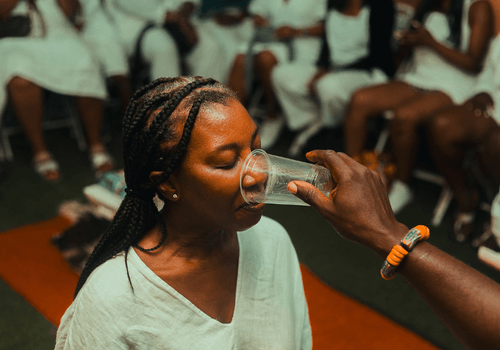
One of the most powerful moments of the ceremony is the symbolic tasting of elements. The elder typically touches a small drop of clean water and a drop of a local libation (such as traditional gin, soda, or water) to the lips of the person being named. This is done to pass across a profound message of truthfulness and integrity.
The Public Announcement of the Name & Certificate
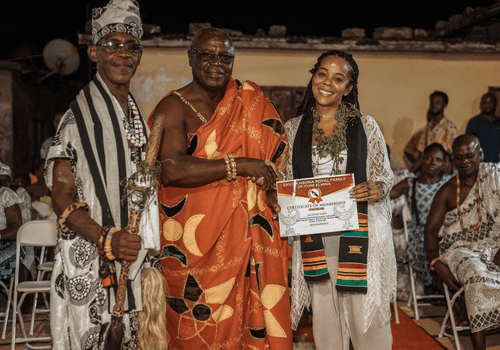
Once the libations are poured and prayers are offered, the given name is spoken aloud to the gathering, not just once, but multiple times so that everyone present hears it clearly. Usually, participants are given a naming certificate with their new name at the end of the ceremony.
Drumming, Singing, and Dancing
Once the name is officially bestowed, the solemnity shifts instantly into high-energy celebration. Drums start to roll, songs of praise and welcome fill the air, and everyone joins in traditional dance.
For travelers, this is often the most exhilarating part. Stepping into the circle, letting loose, and moving your feet to rhythms that have pulsed through the soil for generations. It is an experience to look forward to.
How Your Ghanaian Name is Chosen
Two names typically come together to form the one you'll receive.
The first is your day name, an Akan first name tied to the day of the week you were born, and something you can look up before you even land in Ghana.
The second is a personal name, chosen by the elder leading your naming ceremony in Ghana. Often decided in conversation with you beforehand about your story, your family, or what you hope the name reflects.
This is the part of "throwing the name" that makes each ceremony unique: elders speak your chosen name aloud for the first time in front of the community, so it's witnessed together rather than simply assigned.
Ghanaian Day Names
Sunday: Kwasi (Male) / Akosua (Female)
Monday: Kwadwo (Male) / Adwoa (Female)
Tuesday: Kwabena (Male) / Abenaa (Female)
Wednesday: Kwaku (Male) / Akua (Female)
Thursday: Yaw (Male) / Yaa (Female)
Friday: Kofi (Male) / Afua (Female)
Saturday: Kwame (Male) / Ama (Female)
What is your Ghanaian day name? Drop it in the comments.
Note that the spellings and pronunciations vary slightly across different ethnic groups like the Ga, Ewe, and Fante, but the core system is widely recognized.
Now that you know what the ceremony is about and what to expect, let’s get you ready to really participate in one with these tips.
A Practical Guide for Travelers Who Want to Experience a Naming Ceremony in Ghana
Because a Ghanaian naming ceremony is a sacred cultural institution and not a manufactured tourist show, you cannot simply book it online like a museum ticket or request it on a whim from a random street guide. Doing it right requires intention and respect.
Here are essential tips to ensure your experience is authentic, meaningful, and culturally grounded:
1. Work with Trusted Local Hosts
Partner with cultural tour operators, heritage travel organizations, or local hosts who maintain genuine, deep-rooted relationships within Ghanaian communities. Avoid shortcuts or commercialized setups that treat sacred traditions like a cheap photo op. Authentic ceremonies require genuine elders, proper family consent, and true community presence.
2. Share Your Background Ahead of Time
To receive a meaningful name rather than a random label, be prepared to share some details with your hosts or family elders prior to the event. Talk about your birth details (your actual birth day), your personal history, and what values or intentions you hope to carry forward in this phase of your life.
3. What to Wear for a Ghana Naming Ceremony
Appearance matters significantly during formal cultural events in Ghana. Dressing respectfully shows honor to the elders and the occasion:
White clothing is common at Ghanaian naming ceremonies in some communities, symbolising purity and a new beginning. But ask your host directly, since customs vary between the Akan, Ga, and other groups. Avoid black and deep red, which in most Ghanaian contexts are associated with mourning rather than celebration.
Opt for modest, breathable clothing that covers your shoulders and knees, especially if the ceremony involves traditional durbars or spiritual spaces.
Many travelers also choose to have a local tailor craft an outfit using vibrant African wax print (Ankara) or traditional cloth specifically for the ceremony. It is a wonderful way to support local artisans and look the part!Read more about how to get a Ghanaian traditional outfit made for you
4. Understand the Etiquette
When you arrive:
Greet the Elders First: Respect for seniority is paramount in Ghanaian culture. Always allow your hosts to guide you through formal greetings.
Ask Before You Snap: While celebrations are joyous and photography is often welcome, always ask permission before taking close-up photos of sacred rituals, elders, or specific family moments. Better yet, designate a specific time for photos so you can remain fully present during the rituals.
Bring an Open Heart: Ceremonies can bring up unexpected waves of emotion. Let the experience unfold naturally without rushing to the next item on your tourist itinerary. Give yourself space to breathe and absorb the moment.
Your local guide or host will usually let you know any more etiquettes or protocols to observe during the ceremony.
Is the Ghanaian Naming Ceremony right for you?
You don't need any particular background to take part, but this tends to resonate most deeply with a few kinds of travelers:
Diaspora travellers tracing a personal or ancestral connection to West Africa, for whom receiving a name can feel like a form of reclamation.
First-time visitors to Ghana who want their trip anchored by one deeply personal experience rather than a checklist of sights.
Anyone marking a milestone like a significant birthday, a new chapter, a personal turning point who wants a name and a ceremony to mark it.
Frequently asked questions
Do I need Ghanaian or African heritage to receive a name?
No. While the experience carries particular significance for diaspora travelers reconnecting with West Africa, any traveler can be welcomed into a genuine naming experience, provided it's arranged respectfully and led by real community elders.
How much does a Ghana naming ceremony for tourists typically cost?
This varies depending on how the experience is arranged. A small community gathering looks very different from a fuller ceremony with drumming, catering, and multiple elders. Ask for a clear breakdown of where the payment goes before booking.
Can I choose my own name, or is it chosen for me?
Your day name is fixed by your birth date, but your personal name is chosen by the elder leading your ceremony. Typically, after a conversation with you about your story, family, or what you hope the name will reflect.
Is it disrespectful for a non-Ghanaian to receive a traditional name?
Not when the experience is arranged transparently and led by genuine community elders who are choosing to share the tradition with you. What matters is honesty about what the experience is, respect for the customs involved, and ensuring the community leading it is properly and fairly compensated.
Do you have any more questions about the Ghana naming ceremony? Drop them in the comments, and we will answer them.
Conclusion
Taking part in a Ghanaian naming ceremony is one of the most personal experiences a traveler can have. It is a chance to be welcomed, blessed, and named by people who've chosen to share something real with you.
It isn't about watching a tradition from the outside. It's about standing at the centre of it, hearing your name spoken by an elder who took the time to understand your story first.
Come prepared, dress with care, ask questions, and let the elder leading your ceremony set the pace. Do that, and you won't just witness a Ghanaian tradition. You’ll carry a piece of it with you, in a name that's yours.
Let Ghana call you by name!
Ready to receive your own Ghanaian name?
We arrange naming ceremonies in Ghana the way they're meant to be done. Led by named elders and community partners we've built real relationships with, not staged for a tour bus. Tell us what draws you to this experience; we'll design it around your story and help you achieve it.

Download my free travel guide to navigating Accra- Ghana from hotels to stay at, restaurants to try out, how to stay safe when visiting and nightlife recommendations for my fellow night owls who would love to go dancing.

Hello, fellow adventurers! I'm Rashida, your not-so-typical travel guide. Join me for laughs, mishaps, and perhaps a questionable decision or two (because let's face it, those always make for the best stories). Learn More



Planning a Ghana naming ceremony as a traveler or tourist? This blog post highlights everything you need to know to take part in naming ceremony in Ghana. Take a read!