
A Traveler's Guide to Dakar: What to Do, and How to Experience Senegal
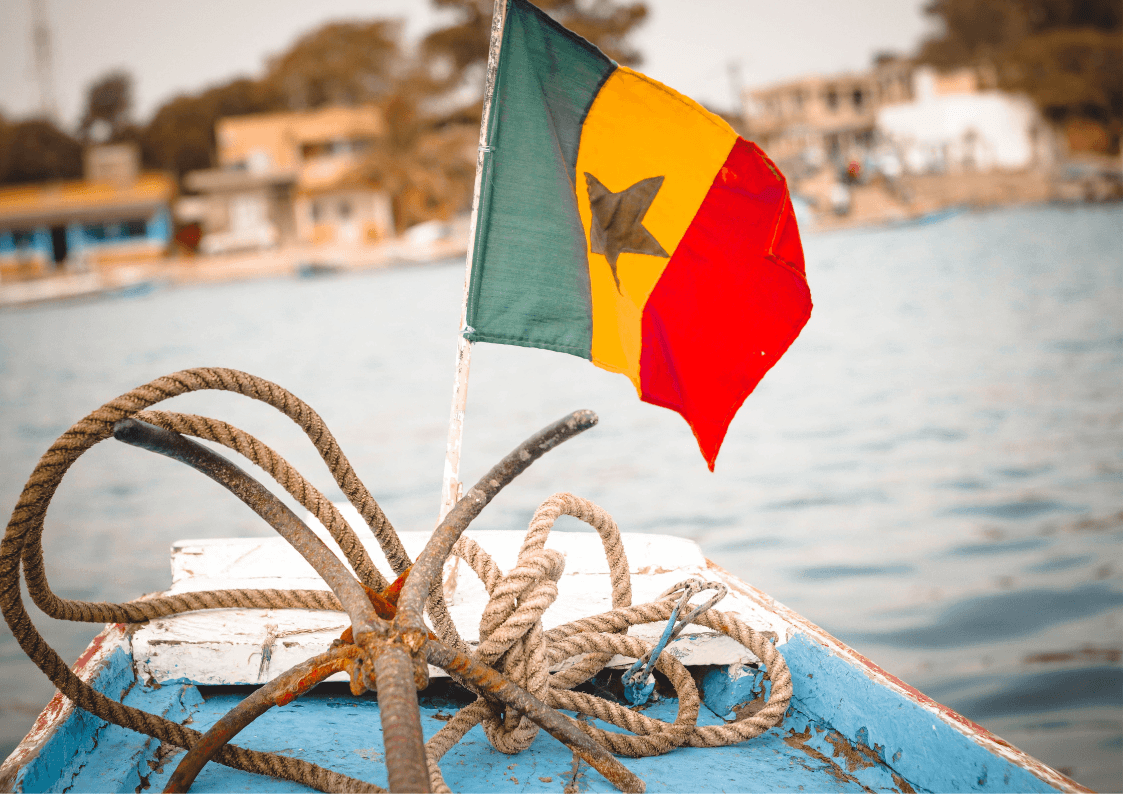
Dakar does not ease you in. It announces itself.
Dakar is the creative and intellectual capital of Francophone West Africa. It is a city where Sufi spiritual traditions share space with contemporary art galleries. Where world-class surfers and local fishermen work the same stretch of coastline.
The national philosophy of Teranga, a Wolof concept of radical hospitality and communal generosity, shapes how people eat, greet each other, and spend their time.
The best things to do in Dakar are not found on a rigid tourist itinerary. They are found when you slow down enough to let the city show itself to you. This blog post will help you do that, with enough practical information to navigate confidently, and enough cultural context to engage meaningfully.
Enjoy reading!


Things to do in Dakar, Senegal
The moment you step outside the airport, the city hits you with salt air, color, and movement. The streets carry the sound of Mbalax music, vibrance, and the easy confidence of a city that has always known it is culturally significant.
That is the welcome Dakar gives.
Here are some of the things to do in Dakar you should pin and explore during your next African adventure:
The Dakar Art Scene
Dakar hosts the Dak'Art Biennale, one of the most important contemporary art events in the world. But you do not need to time your visit to the festival to experience what makes this city creatively significant. The art here lives outside the event cycle, in working studios, research spaces, and neighborhood walls.
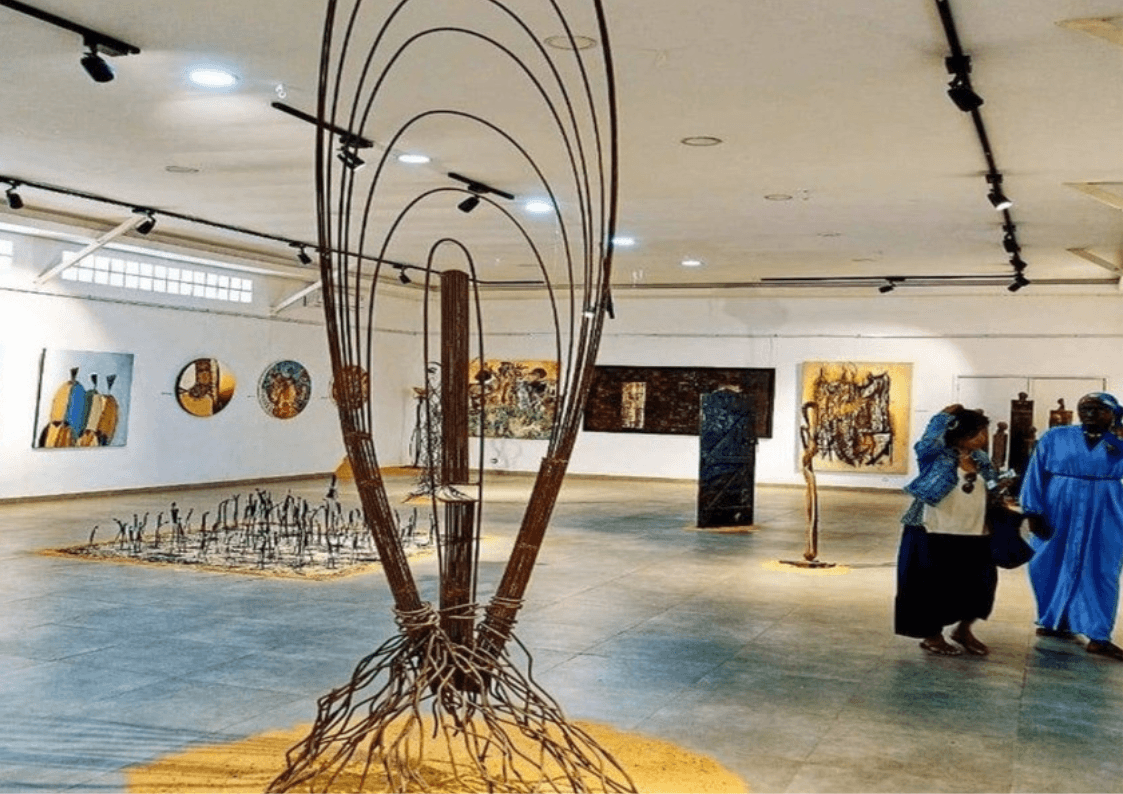
The Village des Arts
It sits on the outskirts of the city near Yoff. It is a compound of active working studios where some of Senegal's leading painters, sculptors, photographers, and textile artists have their spaces. The doors are almost always open.
This is not a gallery in the conventional sense. It is a working environment where artists are often present, mid-project, and genuinely welcoming to conversations with people who arrive with curiosity rather than a camera in their face.
Spend time here slowly. If someone invites you to sit, sit. The ritual of sharing Ataya, Senegal's sweet, ceremonially prepared mint tea, poured from a height to create froth, is an invitation to real conversation. Accept it. You will learn more about the city in one hour at the Village des Arts than in two days at most tourist sites.
The Raw Material Company
The Raw Material Company in the Mermoz neighborhood is a different kind of space. Founded by curator Koyo Kouoh, it functions as a gallery, a research center, and a public library dedicated to African art, philosophy, and critical thinking. The architecture is clean and considered.
The rotating exhibitions engage substantively with cultural and political questions. The library is genuinely usable. It is a good place to spend a quiet afternoon, read, and encounter the intellectual life of the city on its own terms.
The Dakar Beaches
Dakar is a peninsula surrounded by water on three sides. The ocean is not a weekend destination here, it is part of daily life, and the beaches reflect that.
Ngor Island (Île de Ngor)
This is a five-minute wooden boat ride from the northern tip of the peninsula. The island is car-free. Its paths are narrow, its houses old stone, its walls covered in bougainvillea. It has been a gathering place for local musicians, artists, and surfers for decades. The surf break known as "Ngor Right" draws both local surfers and visitors from across the world.
Spend a slow afternoon here. Eat freshly grilled whitefish at one of the beachside spots. Watch the surfers. Walk the paths. The island asks nothing of you except that you slow down, which is exactly the right pace for absorbing what it offers.
Yoff Beach
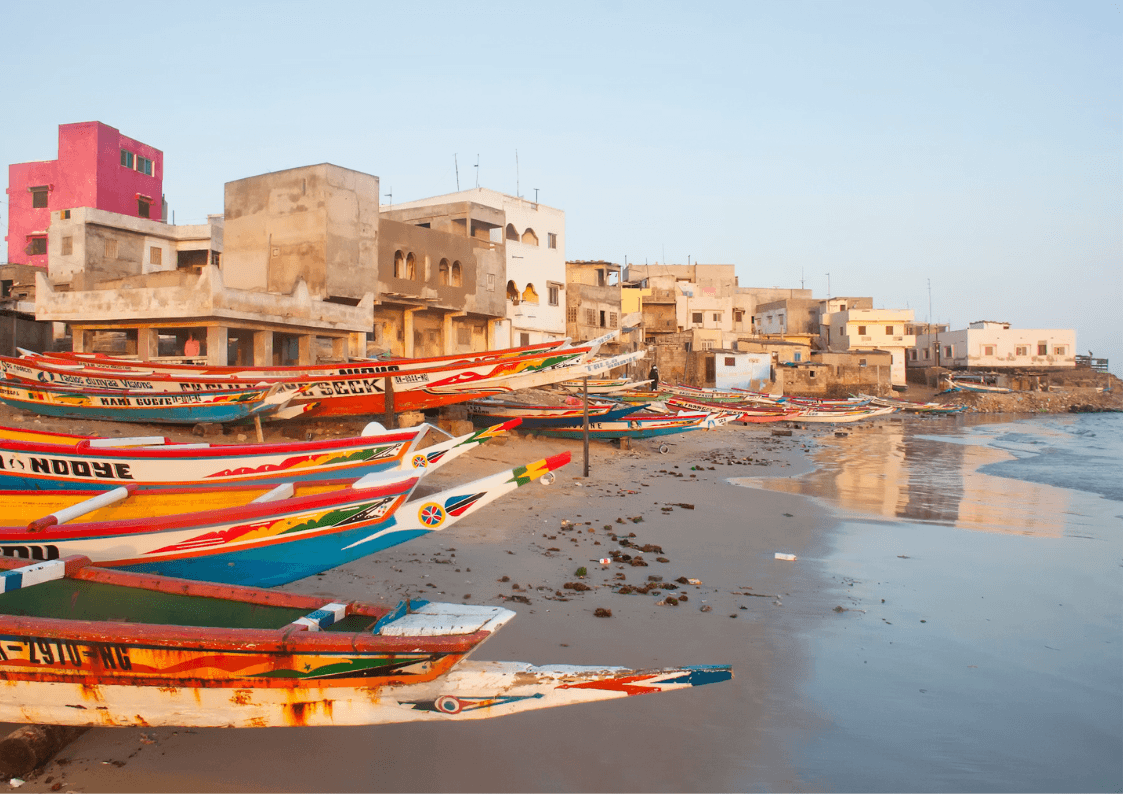
This beach is the opposite experience, not quiet, but vibrantly communal. Arrive around 5:30 PM as the sun begins to drop. The beach comes alive with neighborhood fitness groups, children playing football, and families watching the fishing boats return with the day's catch. Members of the local Layene Sufi brotherhood meditate near the waterline while the boats come in. The human energy here is genuine and unpracticed. It is one of the best places in Dakar to simply observe how the city actually lives.
Food in Dakar
Senegalese cuisine is deeply considered. The dishes take time to prepare and are meant to be eaten communally, without rushing. The food tells you something real about the culture it comes from.
Thiéboudienne
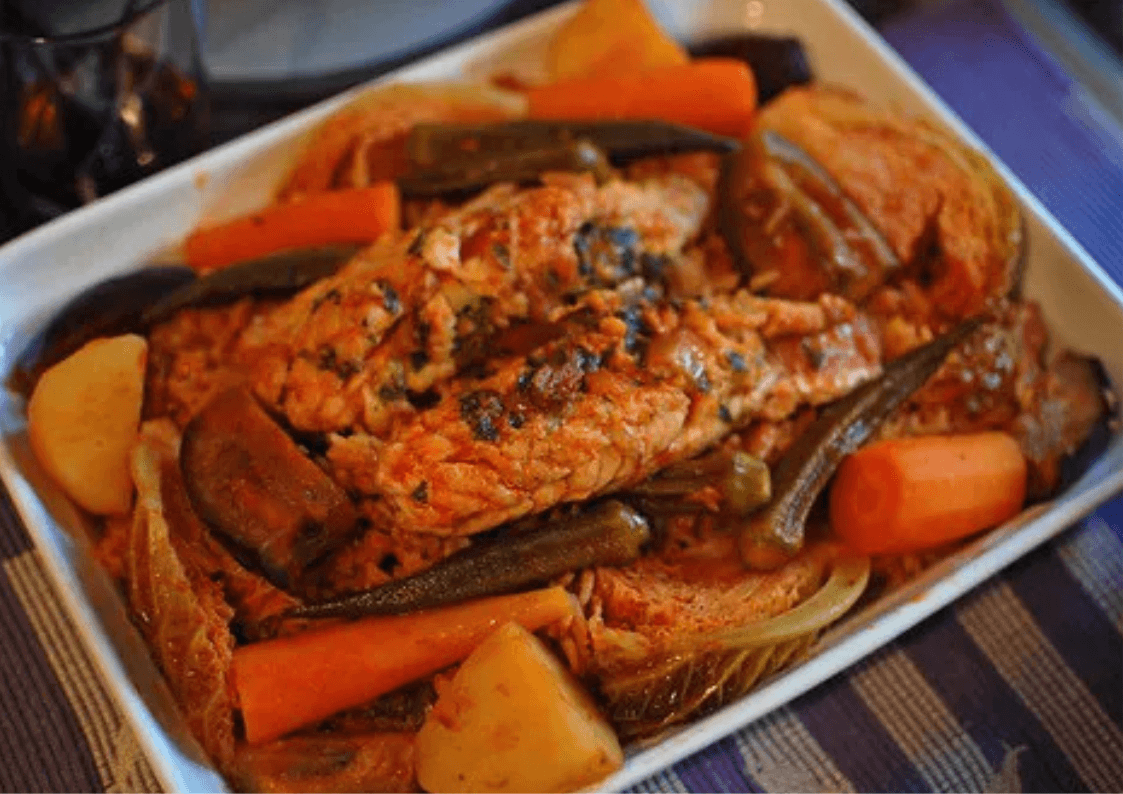
Thiéboudienne is the national dish, and understanding it properly matters. Fresh fish, usually a local white variety like thiof, is stuffed with a spiced herb paste called rof, then slow-simmered with vegetables including cassava, carrots, sweet potato, and white cabbage in a tomato and tamarind broth. Broken rice is then cooked directly in that broth, absorbing every layer of flavor. The result is a dish with real depth; nothing about it is quick or incidental.
Thiéboudienne is traditionally served in a single large communal platter, shared by everyone seated together. Eating from your section of the bowl, matching the pace of the people around you, using your hands, this is not just a dining style. It is a practice of Teranga. The meal is designed to bring people into genuine presence with each other. Seek it out at a neighborhood family spot or local dibiterie, not at a hotel restaurant.
The Drinks
Bissap is a cold hibiscus juice brewed with fresh mint or vanilla, sweet, refreshing, and found everywhere. Bouye is made from baobab fruit and has a thick, tangy creaminess that is unlike anything in most Western food traditions. Café Touba is a locally roasted coffee blended with selim pepper and cloves, intensely aromatic and genuinely energizing. Try all three when you visit Senegal.
Practical Dakar Travel Tips
Learn some ‘Wolof’
French is the official language, but Wolof is what Dakar actually speaks. Even a few phrases will open doors that polite French will not. "Nanga def" (How are you?) and "Mangi fi rekk" (I am fine here) are enough to begin most conversations on warm terms. "Jërëjëf" means thank you. Using these words signals that you came to engage, not just observe.
Plan your days geographically.
Dakar's traffic is dense and unpredictable. Fighting it across the city every day exhausts your time and patience. Organize your itinerary by neighborhood cluster; one day for the Plateau, the historic markets, and the ferry to Gorée Island; another day for Almadies, Mermoz, and Ngor Island. You will cover more ground with less friction.
Approach market interactions respectfully
At Soumbédioune or Sandaga, bargaining is a normal and expected part of the transaction. Bring a light attitude. The exchange is social, not adversarial. Focus on the relationship with the person you are buying from, not on winning the negotiation. The price difference is rarely significant to you and is always more significant to the artisan.
Build in flexibility
Dakar does not run on a rigid timetable. Galleries open late. Taxis take longer than expected. A conversation goes deeper than you planned for. None of this is a failure of planning; it is the city working as intended. The moments that matter most in Dakar are usually the ones that weren't on the schedule.
Conclusion
Travelers who spend real time in Dakar, not just moving through it, but sitting with it, often describe a specific shift. The city's confidence in its own cultural identity is not performative. It does not need outside validation. Encountering that kind of self-possession in a place you are visiting for the first time does something to how you see the world, and how you see yourself in it.
You leave Dakar with a wider frame. That is worth more than any itinerary item.
I hope this guide gave you all the necessary details about things to do in Dakar to make your Senegal trip memorable.
If you want to experience Senegal with a small group of intentional travelers, with local guides, cultural preparation, and the logistics handled, contact us. Let’s help you plan your trip.
Your place in the tribe is waiting.

Download my free travel guide to navigating Accra- Ghana from hotels to stay at, restaurants to try out, how to stay safe when visiting and nightlife recommendations for my fellow night owls who would love to go dancing.

Hello, fellow adventurers! I'm Rashida, your not-so-typical travel guide. Join me for laughs, mishaps, and perhaps a questionable decision or two (because let's face it, those always make for the best stories). Learn More



Planning a Ghana naming ceremony as a traveler or tourist? This blog post highlights everything you need to know to take part in naming ceremony in Ghana. Take a read!