
What to Wear in South Africa: A Practical Guide for First-Time Travelers
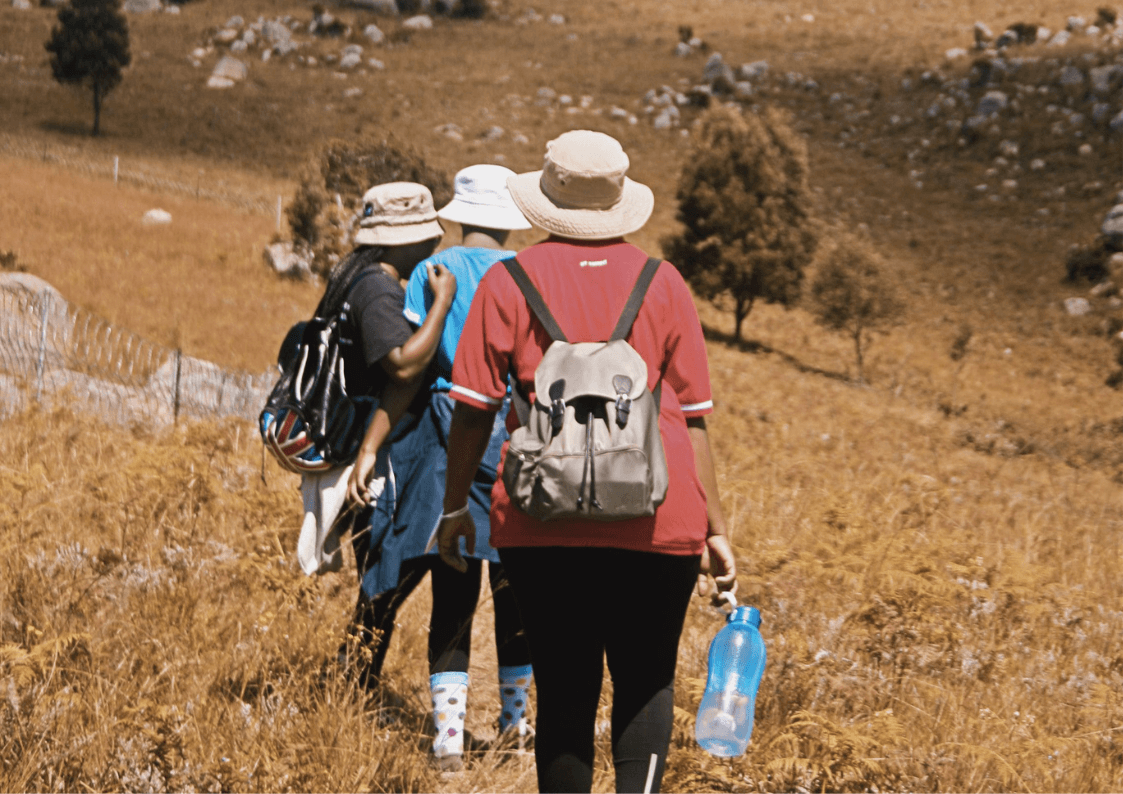
The biggest packing mistake people make before a South Africa trip has nothing to do with what they bring. It is what they assume. Many first-time travelers pack for one climate.
The well-worn local observation that you can experience all four seasons in a single afternoon is not an exaggeration. A 5 AM game drive in Kruger can feel genuinely freezing. By mid-morning, the same savannah is warm enough for short sleeves. By evening in Cape Town, the famous coastal wind known as the "Cape Doctor" can make a 30°C afternoon feel cold the moment you step out of the sun.
This blog post about what to wear in South Africa will help you understand why South Africa's climate works the way it does, and how to build a practical, versatile wardrobe around that reality. When your clothing is sorted, you stop thinking about what you are wearing and start being fully present in the places you are moving through.
Don’t forget to take all the notes.


Understanding the South Africa Climate Before You Pack
South Africa sits in the Southern Hemisphere, which means its seasons run opposite to those in Europe and North America. This catches many travelers off guard.
The seasons look like this:
Winter (June to August)
It is actually one of the most popular seasons for wildlife viewing. The bush is dry, the grass is low, and animals gather predictably around water sources, which makes sightings easier. But winter mornings and evenings in the interior, Johannesburg, the Highveld, and Kruger, are genuinely cold. Temperatures regularly drop to 0°C, and frost is not unusual. The Western Cape experiences its rainy season during these months, which means cool, wet, and windy days that require proper rain gear.
Summer (December to February)
This season brings intense warmth across the country. Northern safari regions can become hot and humid, often punctuated by fast, dramatic afternoon thunderstorms. Cape Town's summer is dry and sun-drenched, but the coastal wind can shift conditions quickly.
Johannesburg sits over 1,700 meters above sea level on a high-altitude plateau, making the air dry and the temperature swings significant between morning and afternoon. Cape Town sits on a coastal peninsula shaped by two competing ocean currents, which is why its weather changes faster than almost anywhere else in the country.
Practical takeaway: every item you pack should work as part of a layering system. Nothing you bring should serve only one purpose.
What to Wear in Each Setting
In the City: Johannesburg and Cape Town
Both cities are fashion-forward, creative urban spaces. You do not need to dress down to blend in. Johannesburg has a vibrant arts and design scene. Cape Town's neighborhoods range from historically rich to architecturally stunning. In both places, personal style is visible and valued.
A breathable linen or light cotton pair of trousers paired with a quality cotton t-shirt or relaxed button-down shirt works well as a base. Layer a denim jacket, lightweight utility jacket, or knit cardigan over the top. Keep a compact windbreaker or a wide cotton scarf in your bag, not as a fashion accessory, but as a functional item you will genuinely reach for when the wind picks up or the temperature drops after sunset.
For footwear, choose clean sneakers or leather flats with good support. Both cities involve a lot of walking on steep hills, cobbled lanes, and uneven pavements. Heels are impractical here.
On Safari: Kruger and Private Reserves
The open-top 4x4 game drive vehicles used on most safaris have no windshield and no roof. A 5°C morning moving at speed feels significantly colder than 5°C standing still. Plan your safari outfit as a layering system you can peel back as the day warms up.
Start with a lightweight moisture-wicking base layer. Add a long-sleeve cotton trail shirt, then a quality fleece or quilted down vest, then a windproof outer shell. For bottoms, cargo trousers or flexible trail pants with pockets are practical and comfortable. As the morning sun rises, you will naturally remove layers.
On color: stick to earthy neutrals, khaki, olive, tan, stone, muted grey. Bright colors and stark white make wildlife more likely to detect the vehicle and move away. Avoid dark blue or solid black in wooded game areas, which can attract tsetse flies in certain regions.
For footwear, broken-in trail shoes or lightweight hiking boots with thick socks are the right choice. You do not need heavy mountaineering boots, but you do need soles with real tread for loose gravel and spontaneous bush walks.
Practical Takeaway: a warm beanie and gloves are not optional. The first two hours of a morning game drive are the coldest, and they are also when animal activity is highest. Bring these regardless of how warm the forecast looks at midday.
On the Coast and in Communities
Whether you are walking the Garden Route cliffs, visiting the African penguin colony at Boulders Beach, or spending time in a historical neighborhood with a local guide, your priorities shift to sun protection, easy movement, and appropriate dress.
A flowy midi-skirt, wide-leg linen trousers, or relaxed shorts with a soft cotton top work well. A lightweight long-sleeve cover-up worn open over a tank top protects your shoulders from the sun without trapping heat. A wide-brimmed hat with a chin strap matters here; coastal breezes are strong enough to take an unsecured hat off your head.
When visiting historical communities or rural areas, covering your knees and shoulders is a simple, practical sign of respect toward your local hosts. It is not a strict rule in most settings, but it creates a warmer, more open environment for genuine exchange.
Your South Africa Packing List

Build your wardrobe around versatility and layering rather than volume. You do not need a separate outfit for every day; you need pieces that work together across multiple settings.
Here are some guidelines:
Tops and layers: four breathable t-shirts in neutral tones, two long-sleeve cotton trail shirts, one smart casual button-down or blouse for city evenings, one quality fleece or warm knit sweater, one lightweight down vest or puffer jacket that compresses easily, one windproof and water-resistant outer jacket.
Bottoms: two pairs of comfortable city trousers in linen or light stretch cotton, one to two pairs of cargo or trail trousers for safari and walking, one flowy midi-skirt or casual dress, one to two pairs of tailored walking shorts.
Footwear: one pair of broken-in trail shoes or lightweight hiking boots, one pair of clean lifestyle sneakers, one pair of supportive walking sandals with proper straps.
Accessories: one wide-brimmed sun hat, one warm beanie and lightweight gloves for winter or early mornings, one wide cotton scarf or pashmina that doubles as a wrap, polarized sunglasses, reef-safe high-SPF sunscreen, and one compact swimsuit for coastal stops or lodge pools.
Bonus Tips About What to Wear in South Africa
Do not pack brand-new shoes: This is the most consistent source of discomfort on walking-intensive trips. Break in your trail shoes and sneakers at least a few weeks before you travel. Your feet will spend a lot of time on varied terrain, and new shoes on long walking days create real problems.
Pack lighter than you think you need to: Most lodges and guesthouses in South Africa offer affordable laundry services. A lighter bag is easier to manage through airports, easier to load into safari vehicles, and leaves room to bring home South African craft and independent fashion pieces you find along the way.
Leave valuable jewelry at home. When moving through busy markets or urban neighborhoods, dressing simply reduces stress and keeps your attention where it belongs, on the people and places around you.
In a Nutshell
When your clothing is doing its job, keeping you warm in the early morning cold, protecting you from the midday sun, letting you move freely on a walking tour, discomfort disappears completely. You stop adjusting, stop worrying, and stop thinking about yourself. That is when travel opens up. You start noticing the guides, the landscapes, the conversations happening around you. You become present.
That is the real reason to pack well, using these notes you took when reading this guide about what to wear in South Africa.
If you want to experience South Africa with a small group of intentional travelers, with the logistics handled and local experts guiding every day, contact us. Let’s help you plan your dream trip.
Your place in the tribe is waiting.

Download my free travel guide to navigating Accra- Ghana from hotels to stay at, restaurants to try out, how to stay safe when visiting and nightlife recommendations for my fellow night owls who would love to go dancing.

Hello, fellow adventurers! I'm Rashida, your not-so-typical travel guide. Join me for laughs, mishaps, and perhaps a questionable decision or two (because let's face it, those always make for the best stories). Learn More


This blog post is an insider guide for travelling to Morocco. You get essential Morocco travel tips on timing, cash, dress, and navigating Marrakech's medinas with confidence. Take a read!