
Ancestral Heritage vs Safari Trip to Africa: Two Different Ways to Experience Africa
Say "trip to Africa" out loud to most people, and you'll get the same mental image every time: a jeep, a lion, a sunset the color of a mango. This is not exactly wrong, but it’s incomplete.
A safari trip to Africa is one of the most rewarding ways to experience the continent. However, it’s not the only experience to have in Africa. And for a growing number of travelers, safari is not even the primary reason they're going to Africa.
For many travelers of African descent, ancestral heritage travel, where the trip is built around historical sites and cultural roots, is their reason for choosing Africa.
In this blog post, we compare them. Not to declare a winner, but so you know which one (or which combination) is the trip you're actually looking for.
Enjoy reading
-
What "Safari Trip to Africa" Usually Means
What Ancestral Heritage Travel Actually Looks Like
Ancestral Heritage or Safari Trip to Africa: which one is for you?
Which Country in Africa Is Best for Safari?
Which Country in Africa Is Best for Ancestral Heritage Tours?
How to Plan Around Each Kind of Trip


1. What "Safari Trip to Africa" Usually Means

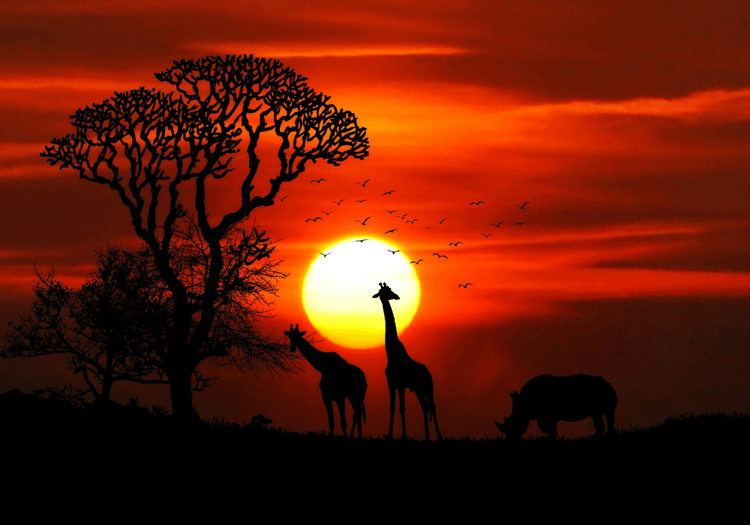
When most people say "safari," they're picturing East and Southern Africa specifically: Kenya, Tanzania, South Africa, Botswana. Where large, protected wildlife reserves make game viewing the centerpiece of the trip. Mornings start before sunrise. Days are structured around game drives, spotting the Big Five, and learning the rhythms of an ecosystem that runs on its own schedule, not yours. Evenings often end around a fire, in a camp built specifically for this kind of travel.
It’s a trip about place, about landscapes and animals that exist almost nowhere else on Earth in this concentration, and about the humbling experience of watching a predator hunt or a herd of elephants cross a river exactly as they have for millennia.
A safari trip to Africa is, at its core, an encounter with wilderness on a scale most travelers have never experienced.
What it typically isn't built around: historical sites, genealogical research, or the specific question of ancestral origin.
The Wildlife Experience: What a Safari Actually Delivers
Let's stay concrete about what a safari trip to Africa gives you, because vague enthusiasm doesn't help anyone plan.
A well-run safari delivers: expert-guided game drives with someone who can read animal behavior and track movement patterns most visitors would never notice. The genuine proximity to wildlife that documentaries can't replicate, since nothing prepares you for how large an elephant actually is standing ten meters away; and immersion in landscapes. This includes the Serengeti's endless plains, Ngorongoro's crater floor, and the Okavango Delta's waterways that are themselves the main event, not just a backdrop.
It also delivers something less discussed: perspective. Watching an ecosystem function entirely without human intervention has a way of resetting how travelers think about time, scale, and their own place in the world. That's a real, well-documented effect of wildlife travel, and it's part of why people return from a safari trip to Africa talking less about the animals themselves and more about how the trip changed their sense of urgency about their own lives.
2. What Ancestral Heritage Travel Actually Looks Like
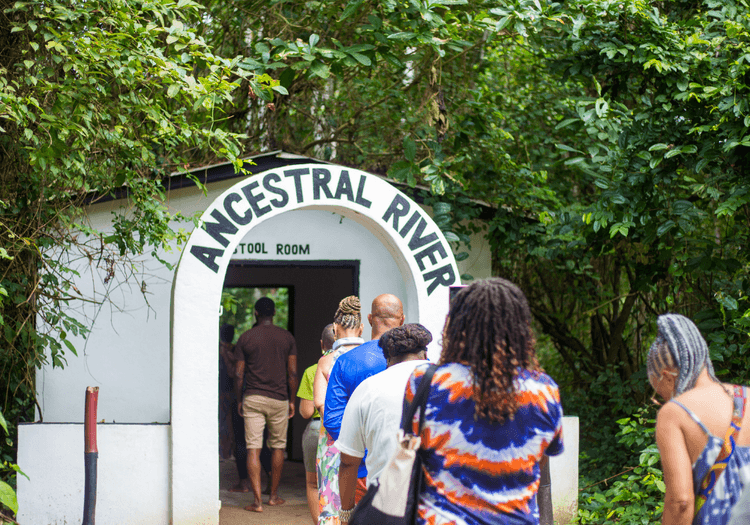
ifference.
Ancestral heritage travel starts from a completely different question: not "what will I see," but "where do I come from, and what does it feel like to stand there."
For many travelers, particularly African Americans and members of the broader African diaspora, this often means visiting sites directly tied to the transatlantic slave trade. Places like Cape Coast Castle and Elmina Castle in Ghana, the Door of No Return in Ouidah, Benin, or Gorée Island in Senegal.
Standing in the dungeons at Cape Coast Castle, or walking through the Door of No Return, means confronting the specific point where millions of people were forcibly separated from everything they knew. It is heavy, and it is meant to be.
Heritage travel also extends beyond these sites of atrocity into celebration and reconnection. For instance, visiting the W.E.B. Du Bois Memorial Centre in Accra, participating in naming ceremonies, meeting community members and genealogists who help travelers trace lineage where records allow. In some cases, formal citizenship and "Right of Abode" programs that countries like Ghana have created specifically to welcome members of the diaspora home.
This is a trip about lineage, about confronting history honestly and, for many travelers, closing a distance that spans centuries. It asks something emotionally different of the traveler than a wildlife encounter does, and it requires a completely different kind of preparation.
The Heritage Experience: What Roots Travel Delivers
Heritage travel delivers something safari travel structurally can't: specificity tied to personal history.
Standing in a slave dungeon with a guide who explains, in plain terms, what happened in that exact room is not an abstract history lesson. For many travelers, it's the closest they will ever come to physically locating a piece of family history that written records erased.
Meeting community elders, hearing oral histories passed down specifically to be shared with visiting descendants, and in some cases undergoing a naming or welcoming ceremony are experiences with weight that doesn't translate to a highlight reel the way a lion sighting does.
It also delivers something practical: connection to community. Heritage trips, done well, aren't just visits to preserved sites; they involve real relationships with the people currently living in and caring for these places. That's a different kind of "immersion" than a wildlife encounter offers, and for many travelers, it's the entire point of going to Africa in the first place, safari or not.
Ancestral Heritage or Safari Trip to Africa: which one is for you?
Here's the honest breakdown, if you're trying to decide between them (or realizing you don't have to).
Choose a safari trip to Africa if your priority is wildlife, landscape, and the experience of a functioning wilderness ecosystem. You want game drives, expert trackers, and evenings around a fire in the middle of nowhere.
Choose ancestral heritage travel if your priority is history, lineage, and reconnection. Whether that's a personal search for roots, or simply wanting to understand a part of history that a classroom never gave you the full weight of.
Choose both, because you genuinely can. These trips aren't mutually exclusive, and treating them that way is exactly the false choice we're trying to push back on here. A trip that opens with days at Cape Coast Castle, Elmina, and the W.E.B. Du Bois Centre in Ghana, then continues into a wildlife-focused safari elsewhere on the continent, gives you both halves of the experience. History and heritage in one, wilderness and wonder in the other. We build itineraries exactly this way regularly, because most travelers, once they know both options exist, don't actually want to choose.
Which Country in Africa Is Best for Safari?
If wildlife is your priority, the shortlist is fairly consistent among experienced travelers: Kenya, Tanzania, South Africa, and Botswana cover most of what people mean when they picture a safari trip to Africa, each with a slightly different personality.
Kenya is often the most accessible starting point. The Maasai Mara offers dense wildlife viewing in a relatively compact area, strong flight connectivity through Nairobi, and a wide range of camp price points.
Tanzania offers more variety in landscape across a single trip: the Serengeti's endless plains, Ngorongoro Crater's self-contained ecosystem, and Tarangire's elephant herds, generally at a higher price point with smaller, more exclusive camps.
South Africa stands apart by combining wildlife with infrastructure that most other safari destinations don't have. It has self-drive options in parks like Kruger, malaria-free reserves suited to families, and the ability to pair a safari with Cape Town, the Winelands, or the coast in a single trip.
Botswana leans further into exclusivity still, with the Okavango Delta's water-based safaris and some of the lowest visitor density of any major safari destination, at a correspondingly higher price.
There's no single "best" country here. It depends on whether efficiency, variety, infrastructure, or exclusivity matters most to you, which is exactly the comparison we walked through for Kenya and Tanzania specifically.
If you're choosing your very first safari destination and want the most straightforward entry point, Kenya or South Africa are typically the easiest places to start.
Which Country in Africa Is Best for Ancestral Heritage Tours?
For heritage travel, Ghana has positioned itself as the clear leader, and deliberately so. Since the Year of Return initiative brought global attention to the country in recent years, Ghana has built out formal pathways for diaspora travelers. These pathways include citizenship programs, Right of Abode status, and a tourism board that treats heritage travel as central rather than incidental.
Cape Coast Castle and Elmina Castle remain the two most visited historical sites tied to the transatlantic slave trade, and the W.E.B. Du Bois Memorial Centre in Accra adds a layer of Pan-African intellectual history to the trip.
Senegal is the other major heritage destination, centered on Gorée Island, a UNESCO World Heritage Site just off the coast of Dakar. It is one of the most significant departure points in the history of the slave trade.
Read more about how to plan a trip to Senegal
Benin rounds out the most-visited heritage circuit with the Door of No Return in Ouidah, alongside a strong Vodun cultural heritage that predates and continues alongside the colonial history of the region.
Ghana tends to be the most complete single destination for a first heritage trip, given its combination of historical sites, community infrastructure, and formal diaspora programs. Senegal and Benin are frequently added to a Ghana-based itinerary rather than visited alone, since the historical sites in each country connect to the same broader story.
How to Plan Around Each Kind of Trip
The practical side of these two trips looks different too, and it's worth knowing before you start booking flights.
Safari logistics typically center on East and Southern Africa. That is, Kenya, Tanzania, South Africa, Botswana, and Namibia. Timing matters enormously here: the Great Migration moves between the Serengeti and the Maasai Mara on a seasonal cycle, dry seasons generally offer better game visibility, and popular parks require booking camps well in advance during peak months. Costs vary widely by camp style, but park fees, guided vehicles, and remote lodging tend to keep safari trips in a similar price bracket regardless of the exact country.
Heritage trip logistics center primarily on West Africa: Ghana, Senegal, and Benin. Where the major historical sites tied to the transatlantic slave trade are concentrated, alongside growing heritage infrastructure in countries actively courting diaspora travelers. Ghana in particular has built formal pathways for this: the Year of Return initiative, ongoing citizenship and Right of Abode programs, and a tourism board that treats heritage travelers as a distinct, valued group rather than an afterthought.
Timing matters less here in terms of wildlife seasons, but it matters enormously in terms of emotional pacing. Heritage trips benefit from breathing room between heavy historical sites and lighter, celebratory moments, rather than being rushed through as a checklist.
Combined trips require the most planning, simply because they involve coordinating across regions. But that coordination is exactly what a well-built itinerary handles for you, rather than leaving you to stitch together two separate trips on your own.
Common Questions Before You Book
Do I need African ancestry to go on a heritage trip? No. While many heritage travelers are specifically searching for a personal connection to the transatlantic slave trade and West African history, these trips are open to anyone who wants a deeper historical understanding of the region.
Are heritage trips emotionally difficult? Often, yes, and that's by design rather than an oversight. Sites like Cape Coast Castle and the Door of No Return are memorials to real atrocity, not neutral historical attractions. A well-prepared guide will give you context beforehand and space to process afterward, rather than rushing you to the next stop.
Can I really do both in one trip? Yes. This is increasingly common, especially for travelers with two weeks or more. A typical combined itinerary might open in West Africa for the heritage portion, then move to East or Southern Africa for the safari, or vice versa, depending on flight routing and migration timing.
Is a safari trip to Africa suitable for first-time travelers to the continent? Very much so. Safari infrastructure in Kenya, Tanzania, and South Africa is well-established, with decades of experience hosting international visitors, making it one of the more approachable ways to have a first African travel experience.
In a Nutshell
A safari trip to Africa and an ancestral heritage trip are not competing for the same traveler, even though they're often lumped together under the single, oversimplified idea of "an African vacation."
One is about wilderness and scale. The other is about lineage and history. Both are legitimate, complete reasons to book a flight, and neither one is the "real" way to see Africa at the expense of the other.
Tell us what's actually drawing you to Africa- wildlife, heritage, or both and we'll build the route around that for you.
That might mean a heritage-focused week through Ghana's coastal forts, a wildlife-focused safari through East Africa, or a single trip that does both. No forms, just a conversation.
Start a conversation with the tribe, and let's figure out which trip, or which combination, is actually yours.

Download my free travel guide to navigating Accra- Ghana from hotels to stay at, restaurants to try out, how to stay safe when visiting and nightlife recommendations for my fellow night owls who would love to go dancing.

Hello, fellow adventurers! I'm Rashida, your not-so-typical travel guide. Join me for laughs, mishaps, and perhaps a questionable decision or two (because let's face it, those always make for the best stories). Learn More

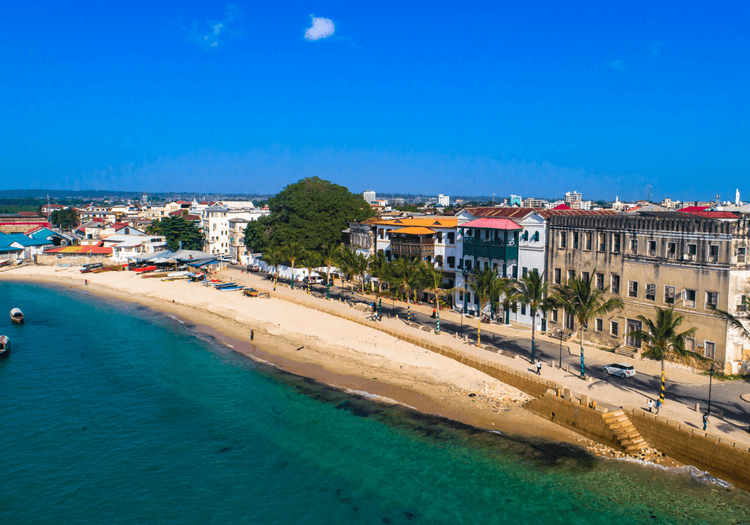
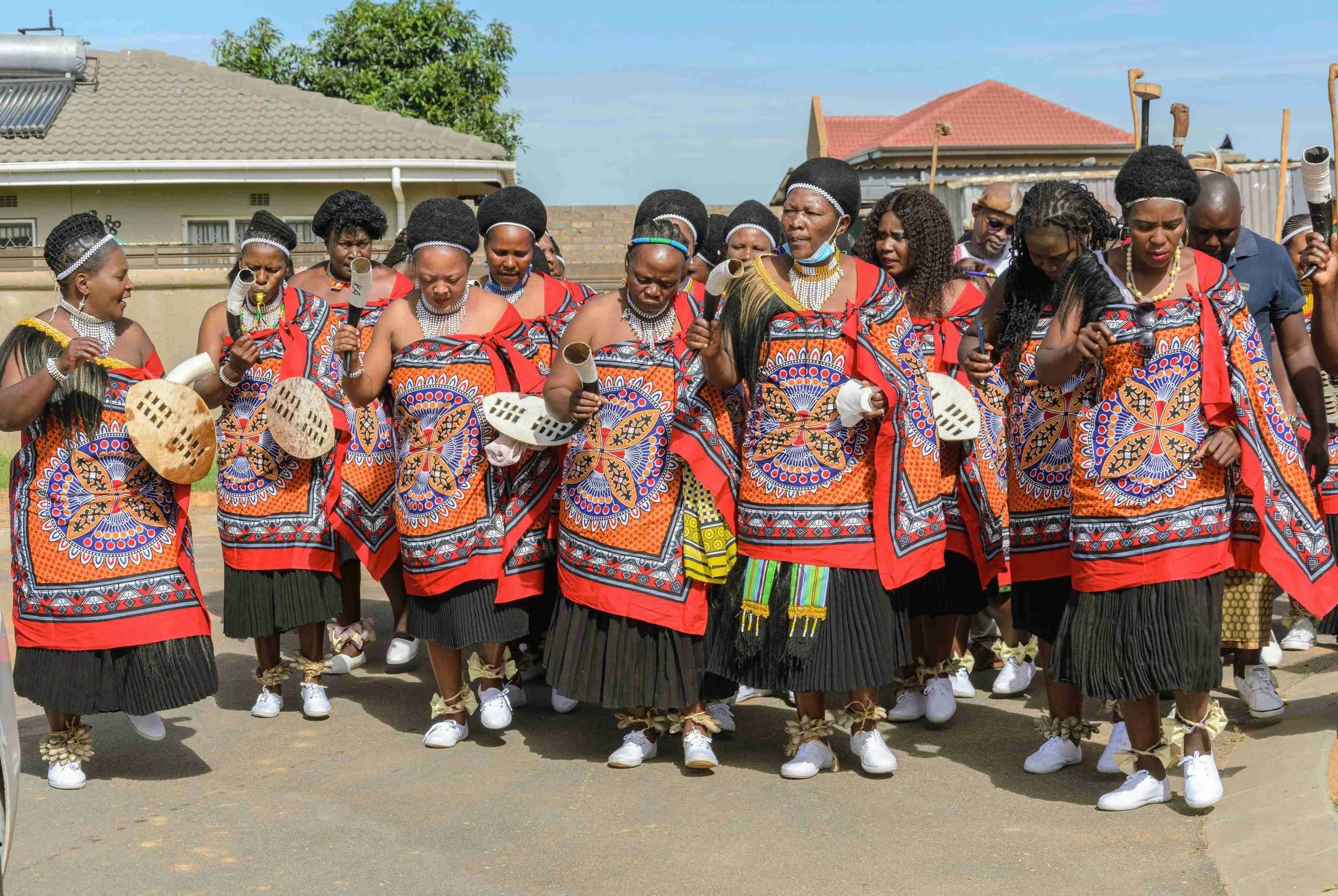

Planning a Ghana naming ceremony as a traveler or tourist? This blog post highlights everything you need to know to take part in naming ceremony in Ghana. Take a read!